Casting Smarter: Actor Backgrounds and Production Efficiency in P-Cap and VO
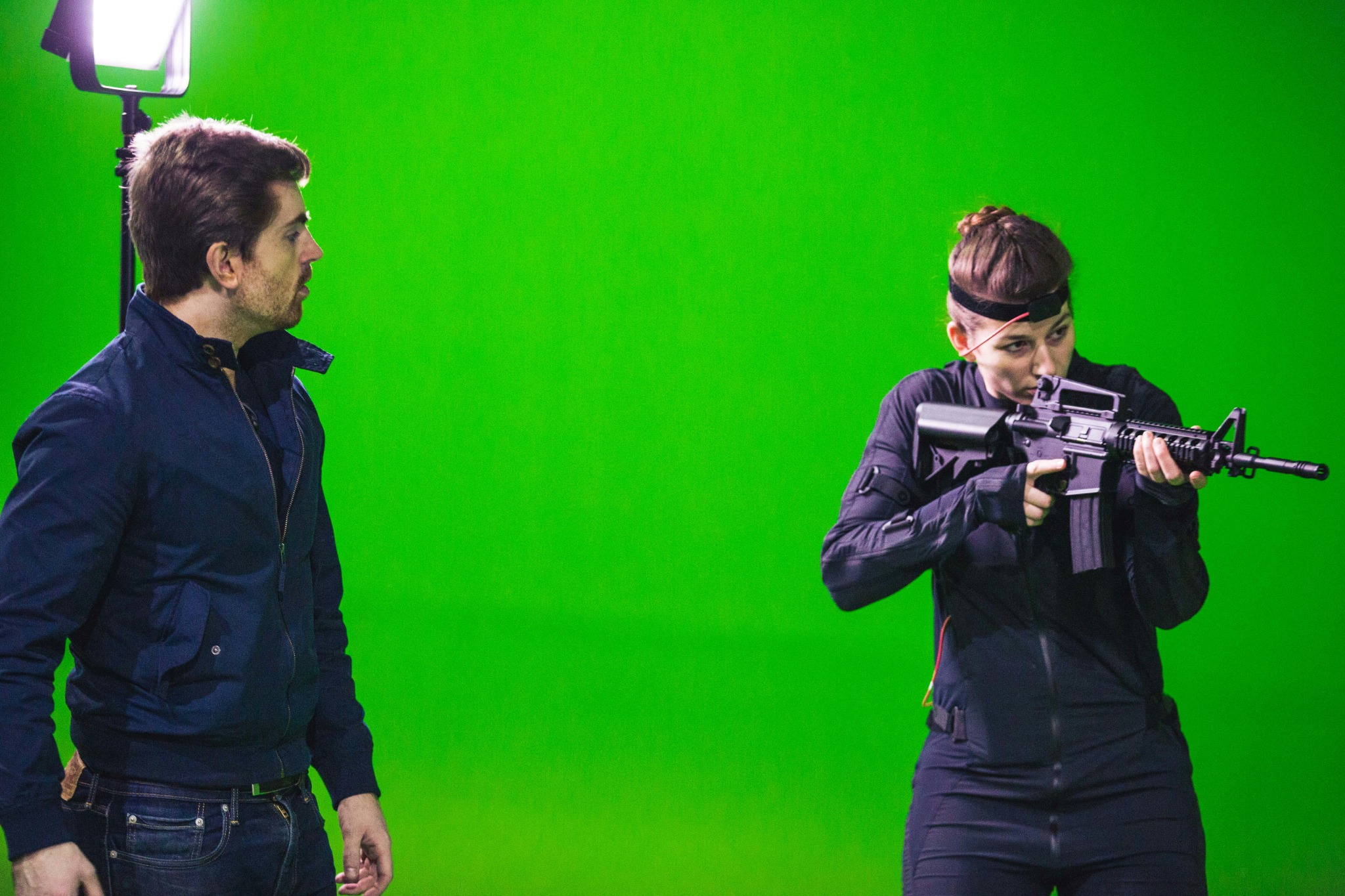
Casting for performance capture (p-cap) and voice-over (VO) in games can have a direct impact on how smoothly production runs once the recording sessions begin.
For example, an actor's background can influence how easily they respond to direction and adapt to the specific demands of a recording session. This can affect the quality of the recorded performance, as well as the amount of corrective work and polishing required from the animation and audio teams later in the production pipeline.
That's why understanding differences between an actor’s training—whether they have a theatre, VO, screen acting background, or a mix—can make it much easier to spot where production may need extra support and where things are more likely to move forward without issues.
Note that every actor brings a unique set of experiences that goes way beyond their training. But being mindful of an actor's background can still provide useful context for production decisions.
In this article, I break down a few common actor backgrounds and how they map to production realities, based on experience across VO, P-cap, theatre, and film.
As a warm-up, I recommend watching this video about the making of Indiana Jones and the Great Circle (2024, MachineGames). Keep an ear out for how the actors talk about p-cap and how it differs from more traditional forms of acting.
How Training Shapes the Recording Process
Training, of course, doesn't determine an actor's talent. But it does often shape how someone works in a recording environment.
An actor’s background can affect how they work during recording sessions, because theatre, film, and VO training each prepare actors in different ways.
How Those Differences Appear During Recording
Differences between an actor's training can become apparent during recording sessions in some of the following ways:
- Some actors can take a director's note once and adjust immediately, while others need more repetition and trials before the direction clicks.
- Consistency between actors also varies. Some performers stay consistent throughout a long recording session, while others loose stamina after a few hours of repetition.
- Some takes move straight into the pipeline with very little adjustment, while others need extra cleanup or correction to fit the scene.
- Some sessions move through the planned material easily, while others slow down as more changes are needed.
In p-cap, these differences are often even more apparent because actors are repeating physical actions within the capture space, sometimes over very long periods of time. And the capture space is a very unique setting to work in, which requires a lot of adjustment both to the technology and the space itself.
E.g., someone coming to p-cap from a screen or VO background might be comfortable with the recording process, but need more support adjusting to the physical side of performing in a capture space.
Adding the video below as an example. It’s really informative of how much preparation and adjustment goes into preparing for mocap roles.
Theatre Training
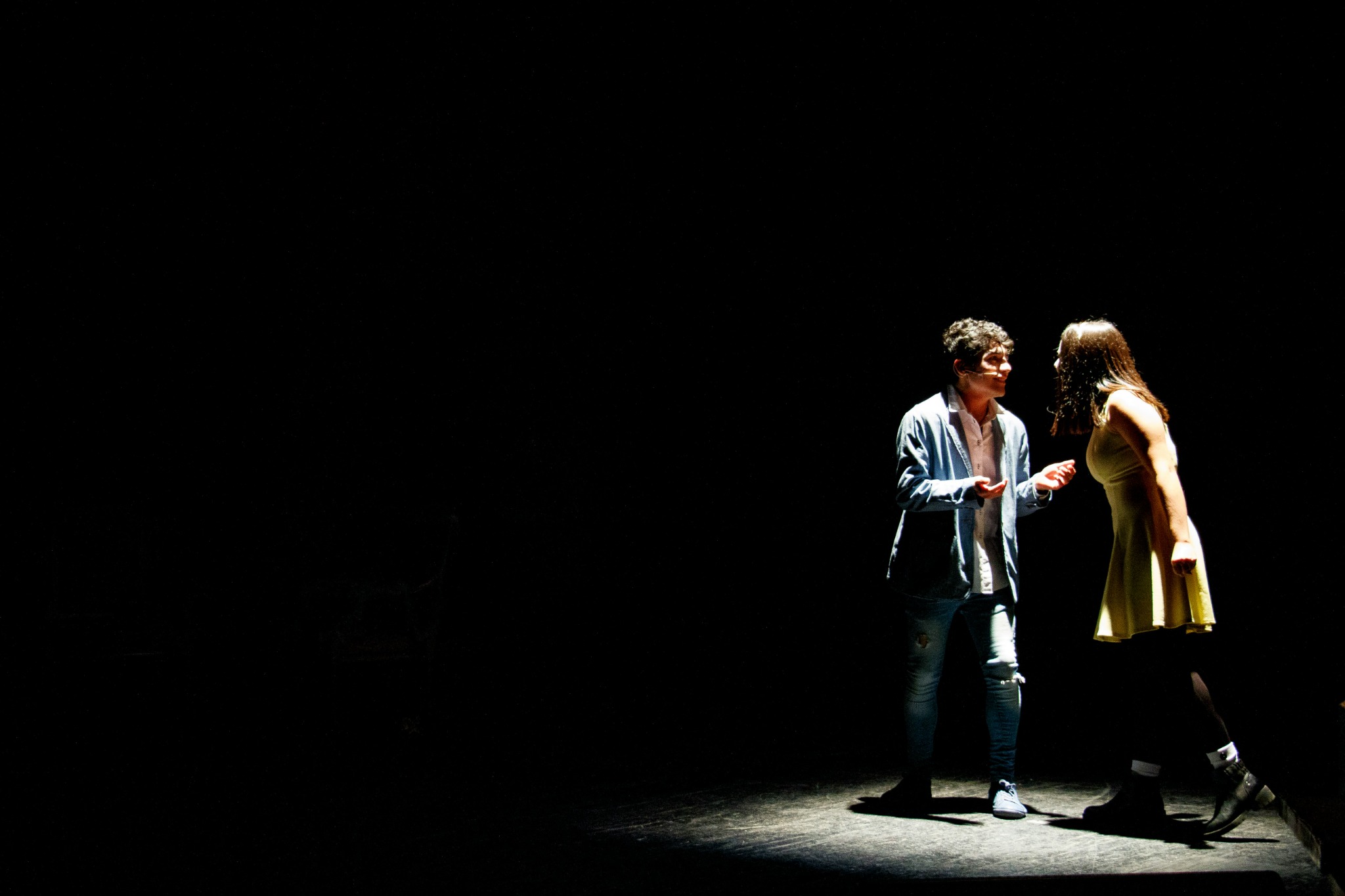
Theatre actors are trained to sustain their performances over long periods. Their training develops consistency in timing and movement, which helps them repeat actions reliably across takes.
Theatre actors also possess a different bodily awareness than screen actors. On stage, a theatre actor needs to be aware of every part of their body, since the audience will most likely see all of it. Every part of the body needs to align to convey the desired emotional state. In screen acting, emotions can be focused on a specific part of the body. A camera can capture solely facial expressions, while the rest of the body isn’t required to be equally central as it is in stage acting.
In p-cap, this is important to keep in mind because takes sometimes require dynamic bodily movement and consistent performance across takes, especially in sequences like combat or traversal. And actors with a stronger theatre background can adapt to these demands much more easily.
Best for: dynamic takes, performances that require a lot of body movement, such as combat and traversals.
Where Theatre-Trained Actors Can Hit Friction in P-cap or VO
Theatre training brings a lot of strengths into p-cap and VO, but there are a few areas that usually need adjustment when moving into more camera- or mic-driven work.
Scale in P-Cap
Stage performance is built to read clearly to a live audience, often at a distance. Viewers at the back of a large theatre hall need to be able to clearly see an actor’s movements.
Because of that, the actor’s energy can come across as more exaggerated than what a capture setup expects. In facial or cinematic capture, this can show up as expressions or gestures that feel a bit pushed and need to be toned down to feel natural in close-up.
Continuous vs. Technical Performance
Theatre actors are used to sustaining performances over long, uninterrupted runs.
In p-cap, work is often split into smaller technical segments with repeated takes, so actors need to maintain consistency while technical details are reset between attempts.
This workflow can take some getting used to, even when an actor already has strong repetition skills.
VO and Micro-Variation
Theatre actors are strong at carrying clear emotional arcs, but VO often requires more variation between multiple recorded takes.
When recording multiple versions of the same line, actors can sometimes hold the same emotional shape too consistently, while the lines may actually benefit from more variation in tone or intent.
Production Trade-Offs with Theatre-Trained Actors
- Strong consistency reduces cleanup later. You usually get very repeatable physical work, which helps keep animation clean in p-cap.
- More time can be needed early to adjust performance size. Stage training can make performances feel a bit big on camera, so the first part of a session can often go into scaling the performance down so it reads naturally in close-up.
- Reliable continuity once everyone is aligned. After that initial adjustment period, takes tend to stay stable across longer sessions.
- Less natural variation in VO reads. Performances are often very consistent, so you may need to ask more directly for different tonal options in dialogue.
- Cost shifts to the front of the process. You typically spend more time shaping the performance early, but save time later on fixes and cleanup.
Screen (Film and TV) Training
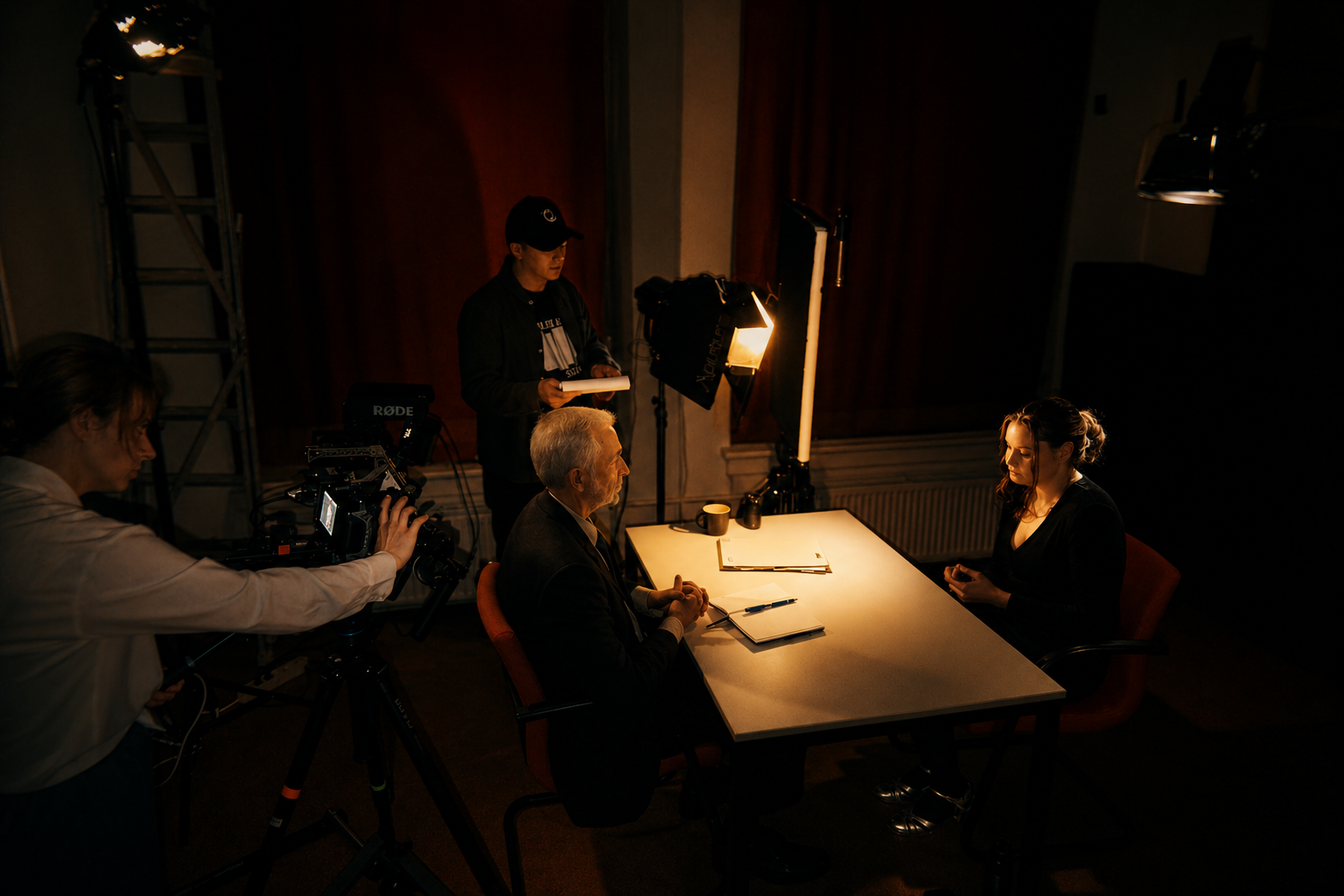
Screen-trained actors are used to working for the camera, where performance is more subtle and controlled. They often develop strong control over facial expression and can adapt quickly to direction.
On set, this can show up in how quickly they respond to small changes while staying anchored in the emotional intent of the scene.
This translates well into cinematic p-cap and facial capture work, where small shifts in timing or expression can have a big impact on how believable a moment feels.
Best for: cinematic p-cap, facial capture work.
Where Screen-Trained Actors Can Hit Friction in P-cap or VO
While screen training transfers well into p-cap and VO overall, there are a few spots where things can take a bit of adjustment once production gets more technical or repetitive.
Physical Consistency in P-Cap
In p-cap, one common challenge is physical consistency across repetition.
Screen work usually prioritizes getting a strong take rather than repeating the exact same movement over and over, so in capture you can sometimes see small variations creep in (e.g., slight timing shifts, changes in foot placement, or differences in how a movement is hit from take to take).
Spatial Consistency in P-Cap
Another thing that comes up is spatial consistency in the capture space.
On a film set, movement is usually built around camera framing and can shift depending on coverage.
In p-cap, the performance needs to stay clean and repeatable within a fixed tracking area, and screen-trained actors can sometimes naturally lean toward “playing to camera” rather than maintaining a consistent physical pattern.
Vocal Consistency in VO
In VO, the main adjustment is often around vocal consistency between takes. Screen actors are used to supporting emotion with facial and physical detail, but in VO everything has to be reflected in the voice alone. When multiple direction changes are recorded back-to-back, it can sometimes make the differences between versions less clear than needed.
Production Trade-Offs with Screen-Trained Actors
They’re quick to find what works. Screen actors are used to adjusting how much or how little they perform for the camera, which helps them adapt quickly to cinematic scenes.
- They're efficient at taking direction. They usually pick up small notes and adjustments quickly, which helps keep the sessions moving.
- They maintain strong consistency in emotional performance. You typically get believable takes that hold up well across cinematic sequences.
- Some physical repeatability may need tightening in p-cap. Since screen work focuses on individual takes, you can sometimes get small differences in movement across repeats that need smoothing out for animation.
- Their movement can be shaped around camera habits. Actors may naturally think in terms of framing rather than fixed spatial repetition, which can need a bit of adjustment in a capture space.
- VO variation can be very subtle. Performances are usually well-controlled, but you may need to ask for clearer differences between line reads in interactive dialogue.
More time can go into fine-tuning. You can get up and running quickly, but you may spend more time adjusting the performance to meet specific technical requirements.
If you want to learn more about the differences between theatre and screen acting, I highly recommend checking out Ian McKellen’s take on it.
This is also a great comparison by Tristan Spohn of how the same scene can play out differently in theatre versus film.
Voice-Over Training
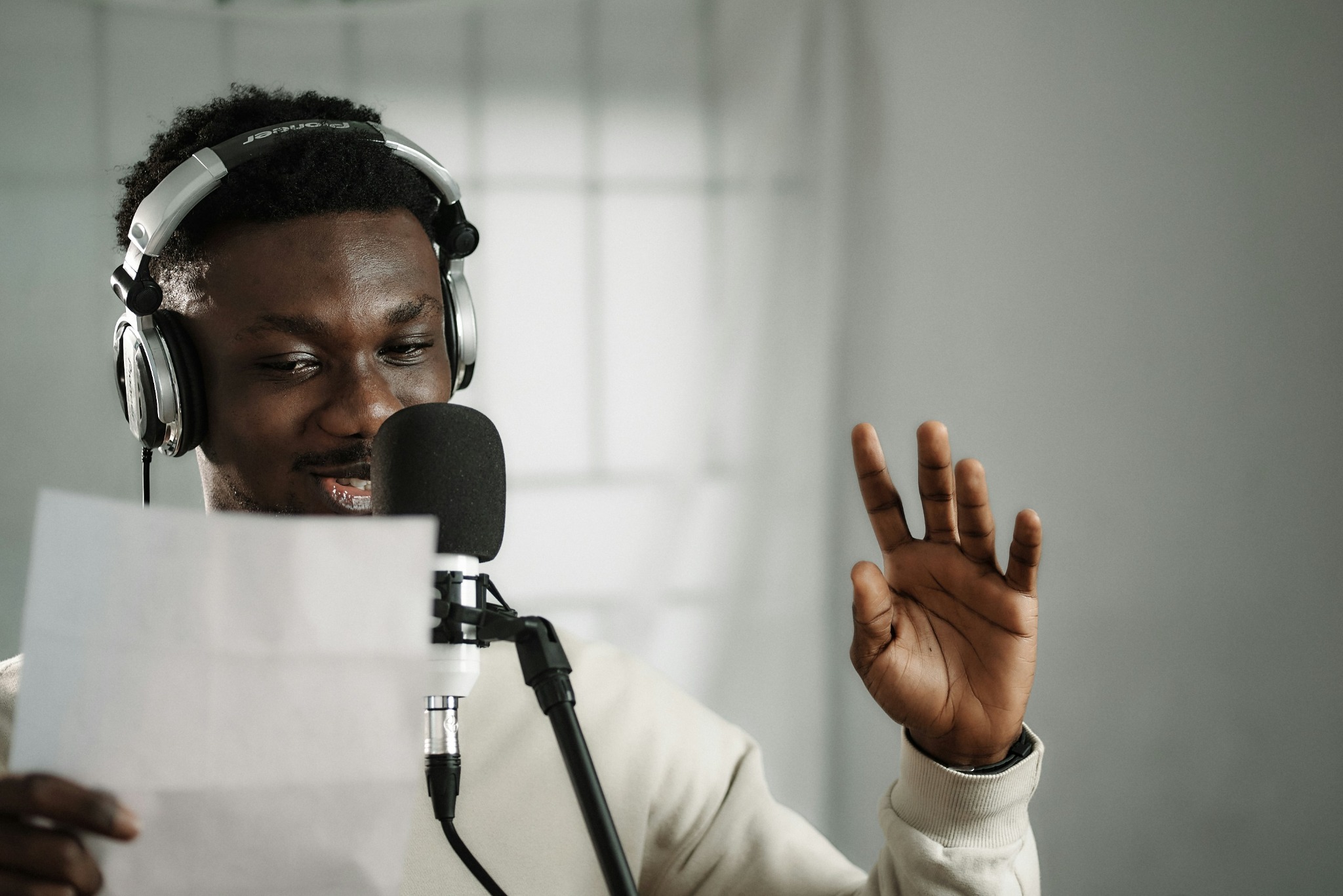
VO actors are trained to perform without physical cues, so the voice carries the full performance. This often helps them maintain a consistent character voice across long or multiple sessions. They can also adapt quickly to new direction while keeping the character’s identity intact.
In game VO sessions, it’s common to record several versions of the same line back-to-back (e.g., calm, aggressive, urgent, tired). VO-trained actors tend to handle those shifts well without the character feeling like it changes persona from take to take.
Another important factor in games is pickups. Months later, you might need to re-record a line, and VO-trained actors are often more consistent with stepping back into the same vocal space, even after a long gap because they're used to this kind of workflow.
Best for: VO.
Where Screen-Trained Actors Can Hit Friction in P-cap or VO
VO actors are used to performing without physical support, so everything is carried by the voice. That skillset is very strong in audio work, but it can take some adjustment when you move into physical or camera-based performance.
Physical Expression in P-cap
In p-cap, one common challenge is physical expressiveness. Because VO work doesn’t require the body to carry emotional detail, actors can sometimes underplay the physical side of a performance (e.g., things like weight shifts, gesture clarity, or how emotion travels through the body). Those elements matter a lot once performance is being translated into animation.
Voice and Movement Alignment
Another thing that can show up is movement-to-voice alignment. In VO, timing is flexible and often led by the line itself. In p-cap, the physical action and vocal delivery need to work together more tightly, especially for gameplay or cinematic continuity. That usually takes a bit of adjustment if the actor is not used to expressing emotion through both the body and the voice at the same time.
On-Camera Performance
In on-camera work, the main adjustment is often visibility of performance choices. VO actors are very strong at vocal nuance, but when that same emotional range is moved into a visual medium, it sometimes needs more conscious control over facial expression and physical restraint so it reads cleanly through the camera.
Production Trade-Offs with VO-Trained Actors
- Strong vocal consistency reduces audio cleanup later. You usually get clean line reads, which helps keep VO pipelines stable and easier to assemble.
- Fast vocal performance turnaround. VO actors are used to working from direction alone, so they can usually deliver solid takes quickly with little warm-up.
- More work needed on physical performance in p-cap. Because the body isn’t part of VO training, early sessions may need extra focus on gesture and physical expressiveness.
- Sync between voice and body can take adjustment. In p-cap especially, getting vocal delivery and physical action fully aligned can take some additional direction time.
- On-camera translation may need visual refinement. Strong vocal nuance doesn’t always translate into readable facial or physical choices on camera.
- Cost shifts toward performance integration. Less time spent fixing vocal issues, more time spent connecting voice, body, and camera performance so everything feels unified.
Auditions as the Most Useful Signal
In the end, auditions remain your most useful signal.
Use the notes above on training backgrounds as a guideline rather than a fixed rule. Actors bring a lot of individual strengths, and those don’t always map so neatly onto categories the way I presented them above.
Understanding an actor's background can help you orient yourself a bit faster. It can point you toward where actors are likely to be most comfortable, and where you might need to give a bit more direction or support to get the best out of them.
The goal is to give yourself a clearer starting point for collaboration and production planning.
So, use the audition to understand how an actor actually works, rather than how they perform. Focus on:
- How they respond to direction in real time.
- Where their natural strengths show up (voice, physicality, timing, emotional control).
- How flexible they are when you change notes or ask for a different approach.
- How consistent they stay across multiple takes of the same material.
It’s also a good place to experiment a bit. If you know their background, whether that’s theatre, screen, or VO, you can try shifting the style of direction to see how they adapt outside their comfort zone.
In general, the most useful auditions aren’t the most polished ones. They’re the ones where you can clearly see how someone thinks, adjusts, and still stays connected to the character while doing it.
Some Final Thoughts
Casting decisions in games can shape both the quality of performance and how smoothly production runs.
Understanding an actor’s training background can help you anticipate how they’re likely to work within p-cap and VO pipelines. It gives you a bit more context going in, so sessions tend to feel more predictable, with fewer surprises during recording and less cleanup needed later in animation, cinematic, or audio work.
At the same time, it’s worth keeping a light touch with all of this. These backgrounds are helpful signals, but they’re only part of the picture. Actors bring a wide range of instincts and creative choices that don’t always fit into categories, and that variety is a big part of what makes performance work in games so rich.
So the real value here is just orientation. A way to meet people a little closer to where they’re starting from, and give them the best conditions to do their work well.
Takeaways
- Training backgrounds can provide useful insight into how actors may respond to direction, repetition, and technical demands in p-cap and VO, but don't treat them as fixed rules.
- Most production cost comes from adjustment work during sessions and cleanup later, rather than from an actor’s overall talent level.
- Each background affects where effort is needed, whether that involves shaping the performance early or refining consistency during production.
- Auditions are still the most reliable indicator of production behavior because they show how an actor responds to direction and adapts in real time.
Further Reading
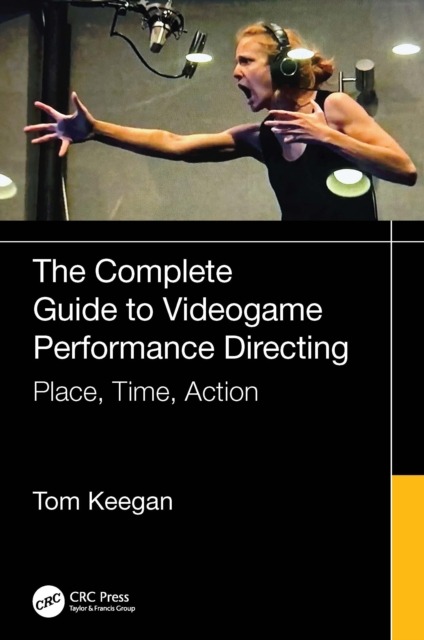
If you want to learn more about directing for performance capture, I really recommend this book by Tom Keegan (unaffiliated).
And this video where voice and casting director DB Cooper explores techniques for developing characters, and tricks to help keep your voice actor on track while recording VO.
Post a comment